

Professional Development
Workshops
Our in-person and virtual workshops are designed for K-12 educators across all subjects who want to integrate media, digital, and AI literacy into their curriculum. Sessions range from two-hour workshops to full-day microlabs, with options to stagger the series across an academic year. Grounded in current research and classroom realities, our workshops help educators explore practical strategies they can immediately apply in their classrooms while addressing the opportunities and challenges of today's digital world.


Media and Digital literacy Workshops
-
Teachers learn how digital platforms shape what students see and believe. This workshop explores algorithmic bias, media bias, echo chambers, and the psychology of misinformation. Teachers leave with ready-to-use classroom activities that help students become resilient and mindful digital citizens.
-
Teachers explore how technology has reshaped reading habits and attention spans. In this workshop, they learn practical strategies like Lateral Reading and Hypertext Reading to boost comprehension in digital spaces, leaving with a variety of resources to incorporate into their lesson plans.
-
Effective research is less about finding information and more about judging its credibility. In this workshop, teachers dive into the Lateral Reading approach to learn how to vet online sources, analyze social media accounts and AI bots, and utilize advanced search skills. Educators leave equipped with the latest strategies to cultivate savvy student researchers.
-
Reading today goes beyond books. This workshop is designed for middle and high school teachers and explores how artworks, digital photos, and political ads can be “read” as text. Teachers learn methods for teaching visual literacy and guiding students to interpret art critically.
-
Short on time? Schools can combine two workshops into one powerful, extended session. Contact us to create a customized program tailored to your school’s specific needs.
-
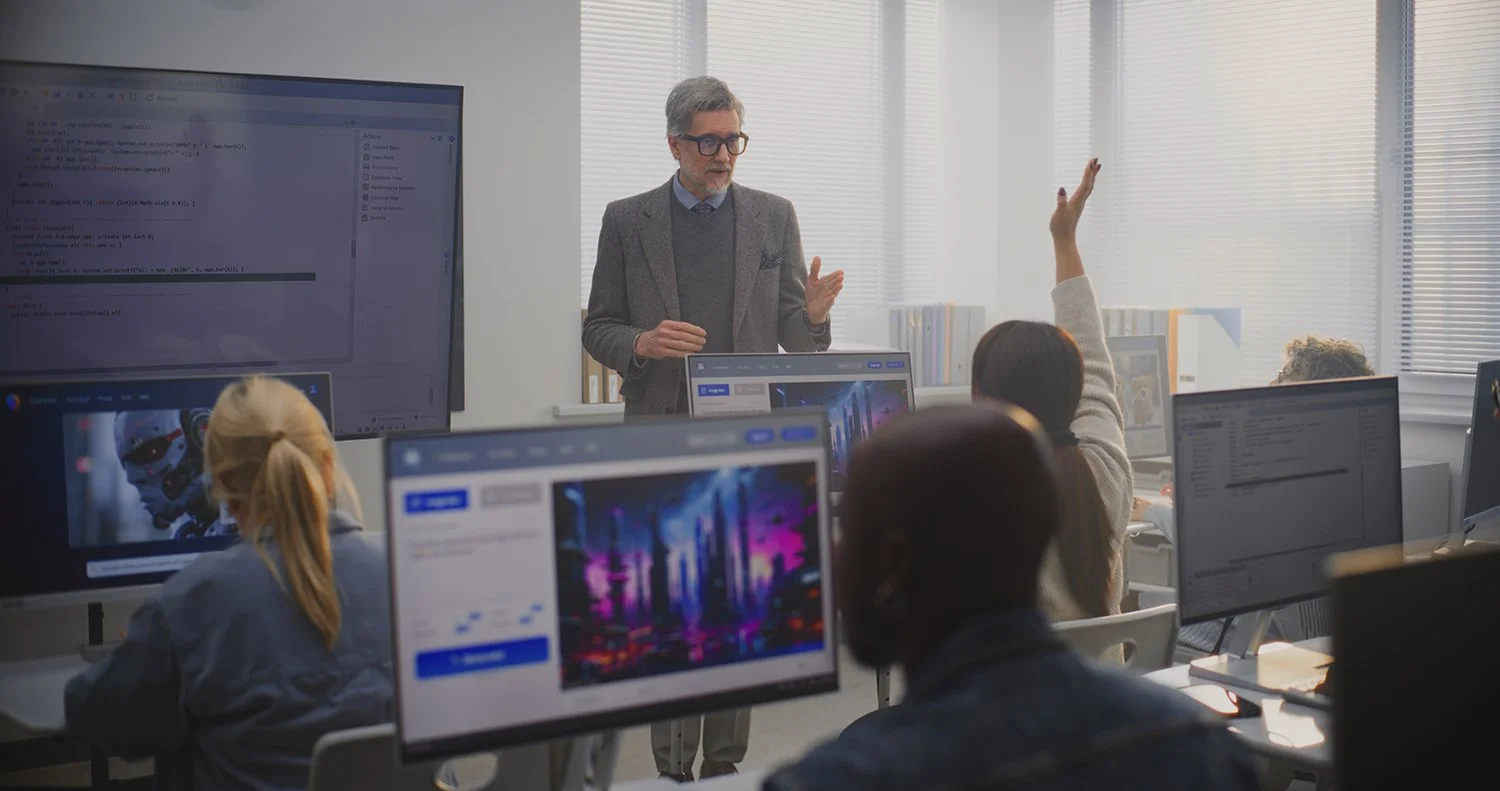
This beginner-friendly workshop gives teachers a working understanding of what generative AI actually is and what it is not. Participants learn how AI gets its data and knowledge, why it makes mistakes, and where its biases come from. Through hands-on experience generating and evaluating lesson plan, rubric, and assessment outputs, teachers practice spotting inaccuracies and errors along the way. The session closes with a clear look at the importance of keeping teacher judgment and expertise at the center of AI use in the classroom
-
Getting useful results from AI is a skill, and most teachers were never taught how to do it. In this workshop, participants explore effective prompting, how to provide the right classroom context, use a technique called “shots” to guide outputs, and identify what makes a prompt strong or weak before hitting send. Educators leave with a practical framework for prompting that they can immediately apply to their classrooms.
-
Every classroom holds a range of readiness levels, interests, and needs that no single lesson can fully address. This workshop gives educators practical strategies for using AI to close that gap. Through facilitator-led demonstrations and guided practice, participants create scaffolded materials, design differentiated tasks, and adapt content to students' interests. The focus is on using AI to expand what teachers can realistically offer each learner, while staying alert to where AI-driven personalization can flatten or mislabel students.
-
AI can generate an essay, solve a problem, or draft an answer in seconds. So, what does it actually mean to assess a student's learning anymore? This workshop explores that question and gives educators practical tools to respond to it. Participants practice redesigning existing assessments into process-based ones, building in checkpoints like drafts, reflections, and brief oral check-ins that make a student's thinking visible. The goal is to keep learning where it belongs: with the student, not the tool.
-
Most schools know they need an AI policy. Few know where to start. This workshop gives educators and administrators practical tools and concrete resources to begin building one that fits their community. Through facilitated discussion and collaborative work, participants identify the values, boundaries, and practical considerations that should shape their policy. The workshop also addresses how to have honest conversations with students about AI use in ways that preserve trust and strengthen the teacher-student relationship.
-
AI doesn't always make learning better, even when it makes things easier. This workshop explores where AI tends to do the thinking for students, and where productive struggle can help them think harder. Teachers examine what that struggle looks like in their own classrooms, then build a learning chatbot designed to create it. The result is a tool shaped around their own context, built to encourage the kind of critical thinking they want to see more of.