
Why Media Literacy
& AI Literacy Matter
The way students read, write, research, and make sense of the world has changed profoundly. Social media, AI tools, and algorithm-driven platforms are now woven into how students access information, complete assignments, and form opinions every day. Which leads us to the question every teacher and school is now asking: what does this all mean for teaching, learning, and thinking?
Did you know?
73% of young adults watch short-form news videos on social media every week. (Reuters Institute for the Study of Journalism, 2026)
54% of teens use AI chatbots for schoolwork, while 1 in 10 rely on them for most or all of their assignments. (Pew Research Center, published 2026)
1 in 4 parents believe their children are not using AI, even though their children report that they are.(Common Sense Media, 2024)
92% of higher education professionals use AI tools, but only 24% feel very confident using them. (UNESCO)
90% of college faculty believe it will diminish critical thinking skills

AI has become a significant part of students' lives. Meanwhile, 96% of high school students cannot accurately verify the credibility of an online source (SHEG). AI is generating essays, answers, and information in seconds, becoming a source that students increasingly rely on and trust. At the same time, teachers are being pressured to incorporate AI into their classrooms, often without the training or support to do so effectively. Everything we know about teaching and learning is changing, faster than schools have had time to respond.
And yet, for both students and teachers, learning to use AI is only part of the answer. The deeper challenge is developing the judgment to know when to use it and when not to, when it sharpens thinking and when it dulls it, when it sparks creativity and when it quietly replaces it.
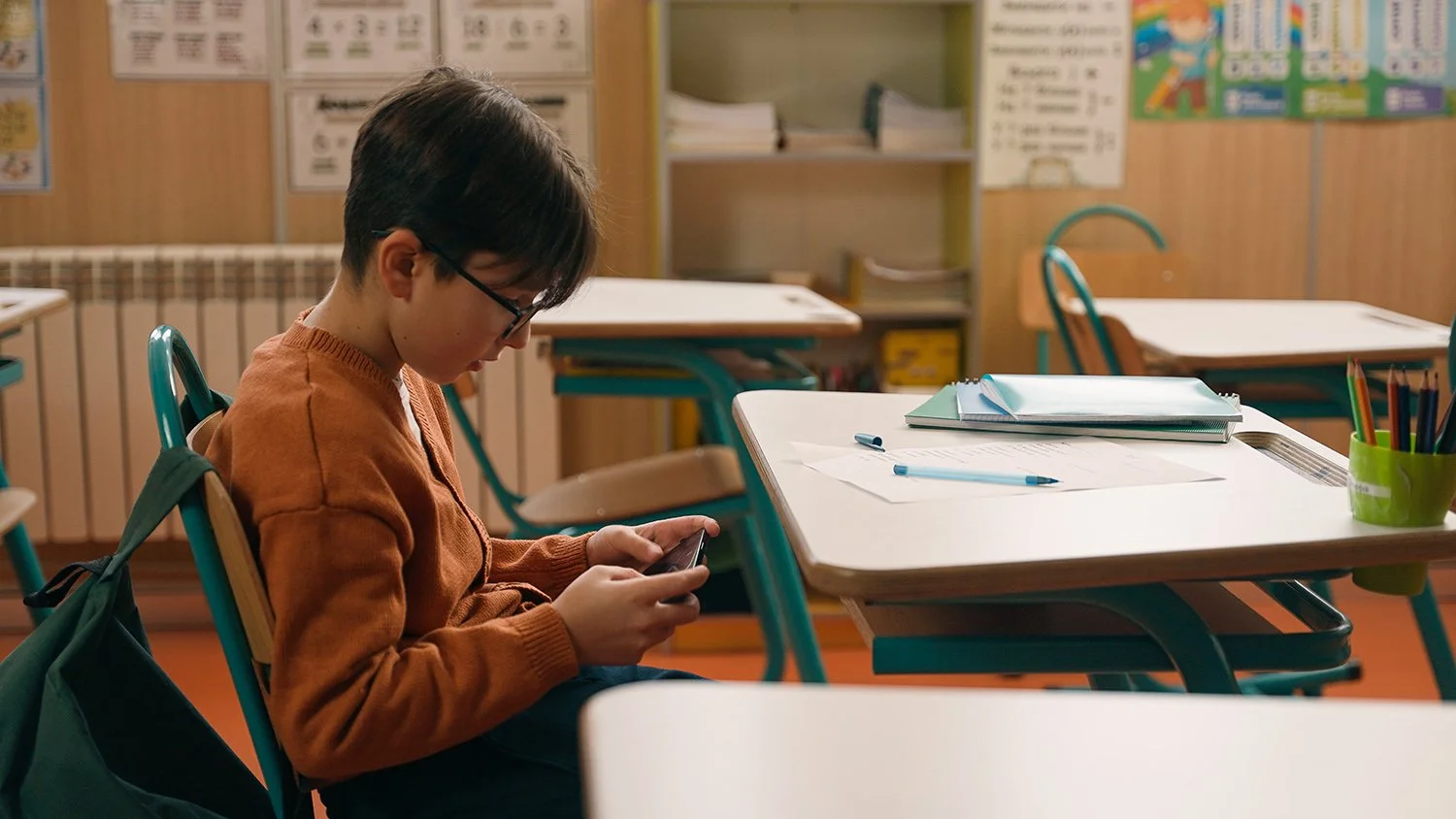
This is not an issue schools face alone. It is also a community issue. People now interact with AI every day through email autocomplete, search summaries, voice assistants, and countless other digital tools, often without stopping to question what they are being told or why. The consequences show up in the voting booth, in the doctor's office, and in the everyday decisions people make based on what they read and believe.
This is why ElevatEd brings these conversations directly to schools, universities, and community centers. Through practical, research-informed workshops, participants explore how AI and social media are changing the way we read, write, learn, and evaluate information. They leave with the knowledge and skills to think critically, make informed decisions, and navigate a world shaped by technology and information overload.
As literacy expert Don Leu said, “To have been literate yesterday does not ensure that one is fully literate today.

What Media, Digital, and AI Literacy Teaches
-
Understanding what AI is and what it is not
How media messages are constructed and directed
Recognizing bias, perspective, and target audiences
Understanding why we believe what we see (confirmation bias, automation bias)
Recognizing how AI impacts teaching, learning, and thinking
Developing judgment and discernment around when to use AI and when not to
Strengthening reading comprehension in digital spaces
-
Identifying credible online sources using Lateral Reading
Fact-checking and separating fact from opinion
Synthesizing reliable information
Using AI tools as research assistants to find sources and identify key terms
Evaluating the credibility and accuracy of AI outputs
-
Understanding the impact of what we create and share
Practicing digital citizenship
Avoiding misinformation and harmful content
Using AI responsibly and ethically
Understanding how AI shapes everyday decisions beyond the classroom
These skills strengthen critical thinking, research ability, and digital literacy, helping learners navigate information, technology, and AI with confidence.
Why ElevatEd™?
Professional development only works when it is practical, relevant, and grounded in real-world experiences. As a practicing educator, Sherine understands the realities schools face as they navigate AI, misinformation, and an evolving digital landscape.
That is why ElevatEd combines research-informed learning with practical classroom application. Through interactive workshops and microlabs, educators explore new ideas, reflect on current challenges, and leave with strategies they can apply in their teaching, creating meaningful change that lasts.
